Blog
What Goes Wrong with Bathroom Tiling and Waterproofing?
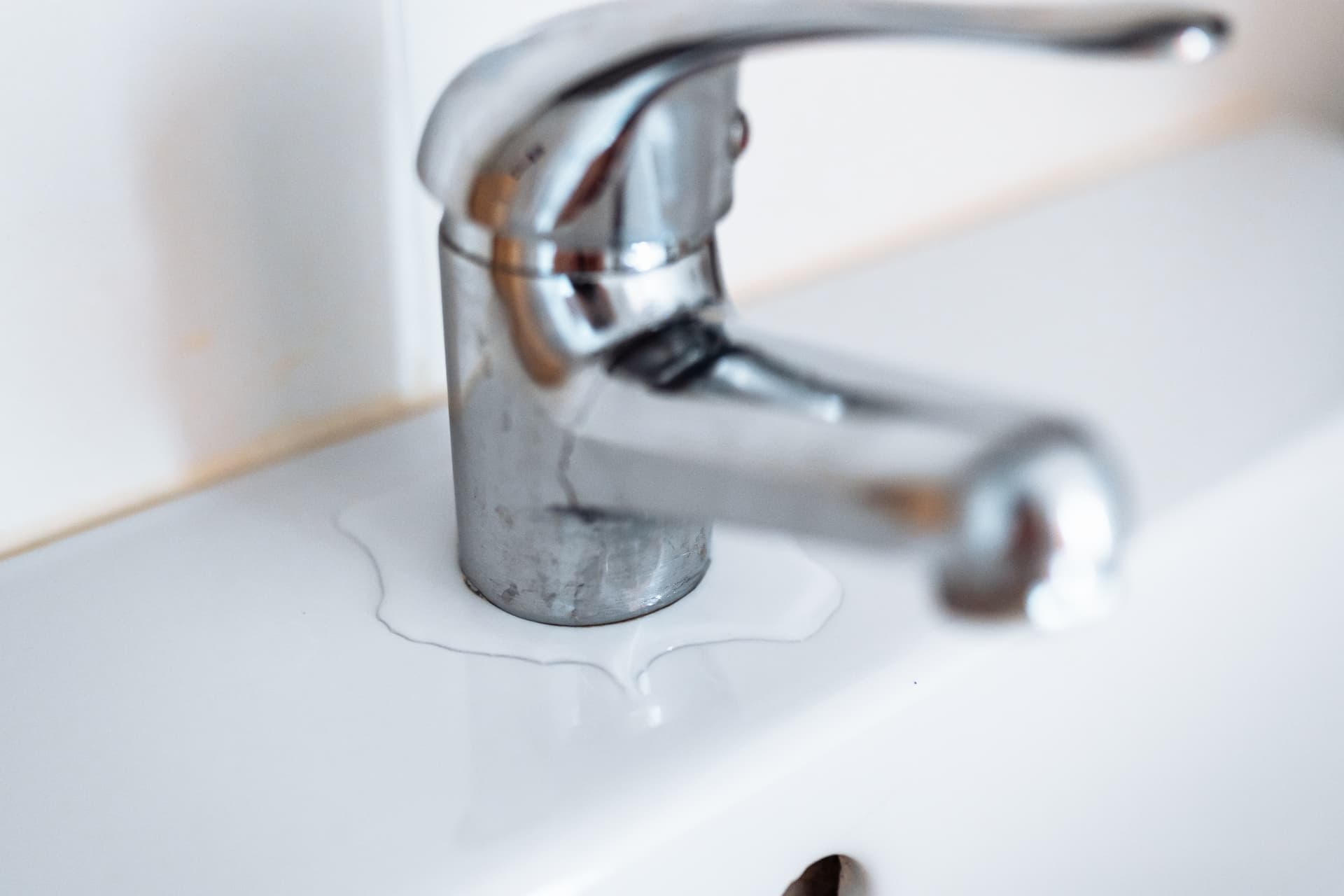
The hidden risk behind a bathroom finish
A bathroom can look complete while water is already reaching places it should never go. Tiles, grout and silicone create the visible finish, but they are not the whole waterproofing strategy. The important work happens behind and beneath them, where the underlying surfaces, joints, waste pipe connections and floor slopes must all work together.
That is why a bathroom installation in Goole or elsewhere across East Yorkshire should be judged by more than straight tile lines. A neat surface can conceal movement, gaps or unsuitable materials. Once water gets into the structure, the visible damage may appear long after the original mistake.
Our Bathroom Installation work starts with understanding how the room will be exposed to water, then preparing the surfaces and connections around that use.
How waterproofing failures begin
The surface is not stable enough
Tiles are rigid. Walls and floors can move slightly as a building settles, timber changes moisture content or old materials flex under load. If tiles are fixed to a weak, dusty, damp or moving surface, the adhesive may not hold them securely. Cracked grout or loose tiles may be the first signs, but the deeper problem is movement beneath the finish.
This matters particularly in older houses, including period terraces, where walls and floors may not be as uniform as they first appear. Covering an uneven surface without correcting or supporting it transfers the problem into the new bathroom.
Water is allowed to pass through joints
Grout fills the gaps between tiles, but it should not be treated as a complete barrier against water. Small cracks, pinholes and poorly filled joints allow moisture to reach the surface behind. The risk increases around shower areas, corners, pipe penetrations and changes between different materials.
A waterproofing layer beneath the tiles is designed to deal with that exposure. Without suitable protection in the right areas, repeated wetting can saturate plasterboard, timber or flooring. The damage may then spread beyond the shower enclosure and affect adjoining walls or ceilings.
Seals fail at movement points
Silicone and other flexible sealants are used where materials meet and movement is likely, such as internal corners, around sanitaryware and at the junction between a bath or tray and the wall. These joints are not decorative extras. They accommodate movement and close gaps that rigid grout cannot safely bridge.
If the joint is applied to a dirty, damp or poorly prepared surface, it may lift at the edge. If the gap is too large, the wrong sealant is used or the joint is stretched during application, it can split. Water then travels behind the fitting rather than running into the tray or bath as intended.
Blackening is an obvious warning, but separation, lifting, softness or a recurring damp edge should also be taken seriously. Painting over discoloured sealant does not resolve the route water is taking.
What can happen if the early signs are ignored
Water damage is not always confined to the tiled area. Behind a shower wall, moisture can soften sheet materials, swell timber and weaken fixings. Under a bathroom floor, it can affect the flooring structure and the ceiling below. Persistent damp can also create an environment where mould becomes difficult to control.
The longer the source remains active, the more of the room may need to be opened up to identify it. A failed seal might be straightforward to renew when caught early. If water has travelled behind the finish, repairs may involve removing tiles, replacing damaged boards or investigating pipe and waste connections before the surface can be rebuilt.
There is also a practical danger in assuming that a leak is coming from the most visible place. Water can run along the back of a wall or beneath a floor before appearing at an edge, so the stain you can see may be some distance from the failed joint or connection.
What to check before calling a bathroom installer
You can carry out a careful visual inspection without removing tiles or disturbing plumbing. Look at the corners of the shower area, the junction around the bath or tray, grout lines that repeatedly darken and any tile that sounds hollow or feels loose. Check the room on more than one occasion after it has been used, because some failures only show after water has travelled through the construction.
Do not press damaged surfaces, pull at sealant or dismantle fittings to investigate further. Those actions can enlarge the opening and allow more water in. If a ceiling below is staining, a floor feels soft or an electrical fitting may have been exposed to moisture, stop using the affected fixture and arrange an appropriate qualified inspection.
How we prevent the problem during installation
The reliable approach is to treat waterproofing as a connected system rather than a final coating. We assess the substrate before covering it, consider where water will collect, and allow for movement at junctions. Places where pipes pass through walls or floors, and corners where surfaces meet, need particular attention because water can get around the tiled finish there.
Tiling also needs the correct preparation for the material and location. The choice of adhesive, how evenly it is spread, the position of the joints and allowing it to set properly all affect whether the finish remains secure. The same applies to the floor: a visually attractive surface is not enough if water cannot move towards the intended drain or if the surrounding joints are vulnerable.
In a bathroom refurbishment, the best time to identify these risks is before new tiles and fittings hide them. We work through the preparation, plumbing, waterproofing and finishing in the right order so that each layer supports the next one. That is especially important when adapting older properties across East Yorkshire, where existing walls, floors and drainage may need closer assessment.
If you are planning a bathroom installation in Goole or elsewhere in East Yorkshire, contact J Wharam Site Service to discuss the room, the existing construction and the finish you want. We can help you address the causes before they become concealed damage and provide a clear quote based on the actual work required.
Other Articles